This is a compliance risk issue, not a minor inconvenience.
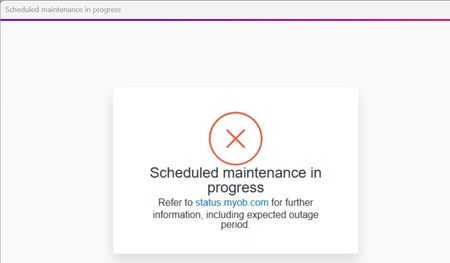
We experienced a complete system outage for approximately 11 hours, with no clear advance notification.
To be precise:
- There was no direct or proactive communication enabling planning around the outage
- The only indication of “maintenance” was identified after the system stopped working, via the Status Hub
- The outage extended beyond the communicated 6:30am timeframe
- The Status Hub then indicated systems were operational when access was still not possible
This resulted in a full lockout of client data during a critical processing window. The message said temporary.
For practices managing payroll, superannuation and BAS obligations, this creates real compliance exposure, including:
- inability to process payroll within required timeframes
- risk of failing PayDay Super expectations
- inability to meet client and statutory deadlines
The current position that:
- prior “blanket communications” are sufficient, and
- no direct process changes will be implemented
is not appropriate for software relied upon in a regulated environment.
In-product messaging is not a valid control when users cannot access the system.
Status Hub is not a valid control if it does not reflect actual system availability in real time.
Even the ATO provides clear, proactive notification of planned maintenance, recognising the compliance obligations placed on agents and businesses.
Expecting users to discover outages only after systems fail — and then rely on inaccurate status reporting — is not an acceptable standard.
An 11-hour inability to access client data, combined with incorrect system status and no advance notice, represents a failure of both system reliability and compliance-supporting communication.
If MYOB is to be relied upon for payroll and statutory obligations, these controls are not optional.
What specific changes will be implemented to ensure:
- clear, advance notification of outages, and
- accurate, real-time system status where maintenance exceeds planned windows?